Local Grain Economy: How to Source Regional Wheat and Support Small Mills
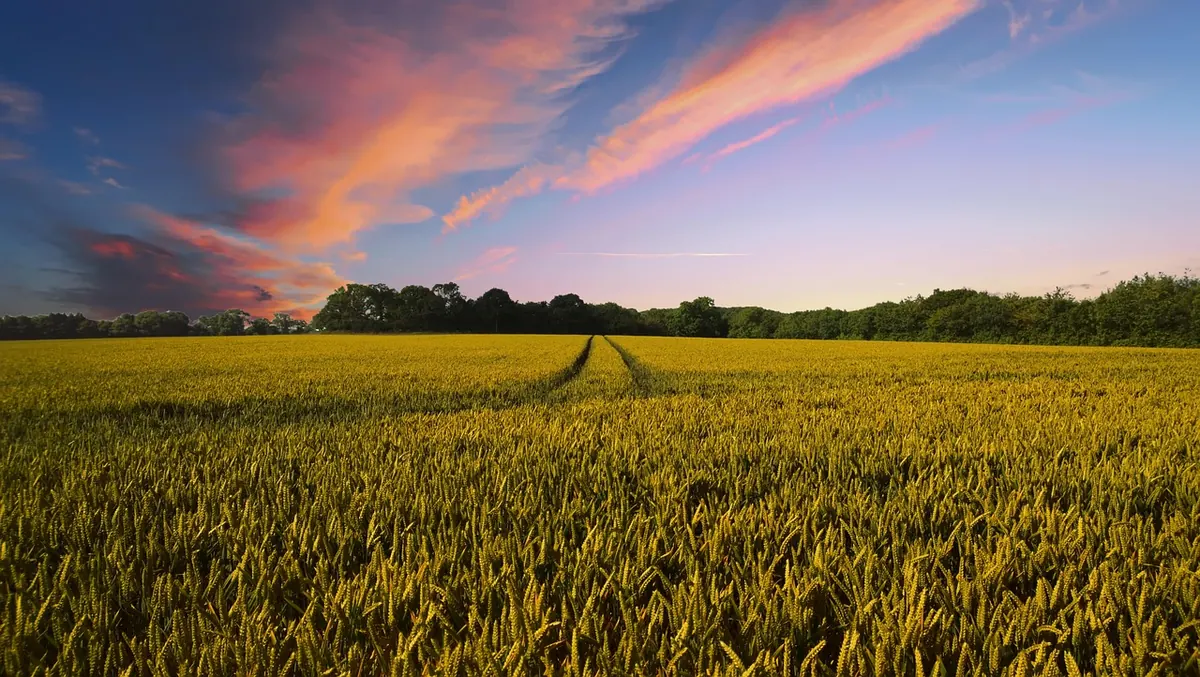
A bag of flour is a quiet document. It gives you a brand, a weight, sometimes the word "strong", and not much else. It rarely names the farm that grew the wheat, the variety, or the week it was milled — three details that decide how your dough will behave tomorrow morning.
Buying closer to the source changes that. Regional wheat and small mills put a place and a season back into the bag, and they give you a person to call when a loaf goes wrong. It asks more of you, though: you have to learn what you're buying and how to work with it. That's the trade, and it's worth making.
What a Local Grain Chain Actually Changes
Commodity flour is blended to be predictable. Wheat from several regions and harvests is mixed until the protein, ash and behaviour land inside a narrow band, so a bag bought in March performs like a bag bought in September. There is real value in that consistency, especially when you're baking for other people.
Regional flour is the opposite proposition. A single mill working with a handful of nearby farms is usually grinding one variety, or a short blend of two, from one harvest. That means the flour has a personality — and a shelf life as a flavour. A wet spring, a hot June and a late harvest all show up in how much water the flour drinks and how quickly the dough comes together.
There's a freshness argument too. Wholemeal flour carries the germ, and the oils in the germ begin to turn the moment the grain is crushed. Flour milled a few weeks ago and stored cool tastes sweeter and bakes with more vigour than wholemeal that has sat in a warehouse. If you buy white flour, the difference is subtler, but it's there.
Learn the Grain Before You Learn the Supplier
You don't need a degree in cereal science, but four words will get you most of the way. Ask them of any flour you're considering.
Hard or soft, red or white
Hard wheats generally carry more protein and form stronger gluten; soft wheats carry less and suit pastry, cakes and biscuits. Red wheats tend to have a fuller, nuttier flavour than white wheats. Winter wheat is sown in autumn and spring wheat in spring, and spring-sown crops often come in with higher protein — useful to know if your sourdough has been spreading rather than standing up.
Heritage or modern
Old varieties such as Red Fife or Turkey Red bring flavour and story, but their gluten is often extensible rather than elastic. They can make beautiful bread, usually with gentler handling, lower hydration and a slower ferment. Modern varieties are bred for strength and yield. Neither is better; they ask for different hands.
Stone or roller
Roller mills separate bran and germ from the starchy centre, which is how white flour is made. Stone mills typically grind the whole kernel, so what you get is wholemeal unless it's sifted afterwards. A stone-milled flour labeled "sifted" or "half-white" sits somewhere in between, and it's one of the most rewarding things to bake with.
Where Regional Wheat Is Hiding
It's rarely in the supermarket. Look in these places instead:
- Farmers' markets and farm shops — the stall selling flour usually sells whole grain too, and the grower is standing right there.
- Small mills with a webshop — many sell 1 kg bags alongside 25 kg sacks, which lets you trial before committing.
- Local bakeries — ask which mill they use. Bakers are generous with this information, and some will sell you a bag from their own store.
- Grower groups and heritage grain projects — informal networks of farmers keeping older varieties alive often publish a list of mills that will grind their grain.
- Community-supported baking schemes — some run a shared grain order once or twice a year.
- Agricultural colleges and seed savers — a surprisingly good source of small quantities of unusual varieties.
Questions That Get You a Useful Answer
"Is this flour good?" wastes everyone's time. These do not:
- Which variety is this, and which harvest is it from?
- Do you know the protein level, and has the falling number been checked? Falling number tells you whether the grain started sprouting in the ear, which makes flour enzymatically lively and doughs sticky.
- How was the grain stored, and how old is the flour in this bag?
- Stone or roller milled, and at what extraction?
- What have you or your customers baked with it, and at roughly what hydration?
- What's your minimum order, and do you mill to order?
Write the answers on the bag. In six months you'll want them.
Buying, Splitting and Storing a Bigger Order
The economics of small mills reward volume: a 25 kg sack costs far less per kilo than a 1 kg bag. If that's more than you'll bake through in a few months, split it. Two or three baking friends, one order, one kitchen table, three containers. It also means you can afford to try an unfamiliar variety without committing a whole season to it.
Store whole grain in a cool, dark, dry place; it keeps far longer than flour because the kernel protects itself. Wholemeal flour is the fragile one — keep it in the freezer if you bake slowly, and let it come to room temperature before mixing. A few days in the freezer when a sack arrives is a sensible precaution against pantry pests. Label everything with the variety and the date you opened it, and use the oldest first.
Baking With Flour That Has Opinions
Expect the first loaf to be wrong. Local wholemeal usually drinks more water than supermarket white, and freshly milled flour can bake gassy for a week or two; many bakers let a new bag rest before judging it. Start with a recipe you know well, change nothing but the flour, and bake one small loaf rather than a full batch.
Then adjust one thing at a time: hold back a little water and add it once the flour has had ten minutes to absorb, extend the bulk ferment if the dough feels tight, shorten it if the dough slackens early. Whole grains ferment faster and brown faster, so watch the oven. Keep a line of notes on each bag — variety, hydration, timings, result — and within three or four bakes you'll have a working profile for that flour, which is more useful than any number printed on a packet.
Start With One Bag and One Conversation
Find one mill within reach and order the smallest bag they sell. Bake two loaves with it before you decide anything. Then email or ring the miller with a specific question — how they'd handle it, what they'd change — and mention what happened in your oven. That single exchange is how a supply chain becomes a relationship, and it's usually the point where the flour stops being an ingredient and starts being something you know.
From there it gets easier: you learn which varieties suit your baking, which years were kind, and which farmer's fields you can picture when you open the bag. That's the whole local grain economy, in miniature, running out of your kitchen.
Photo: TheDigitalArtist / Pixabay